


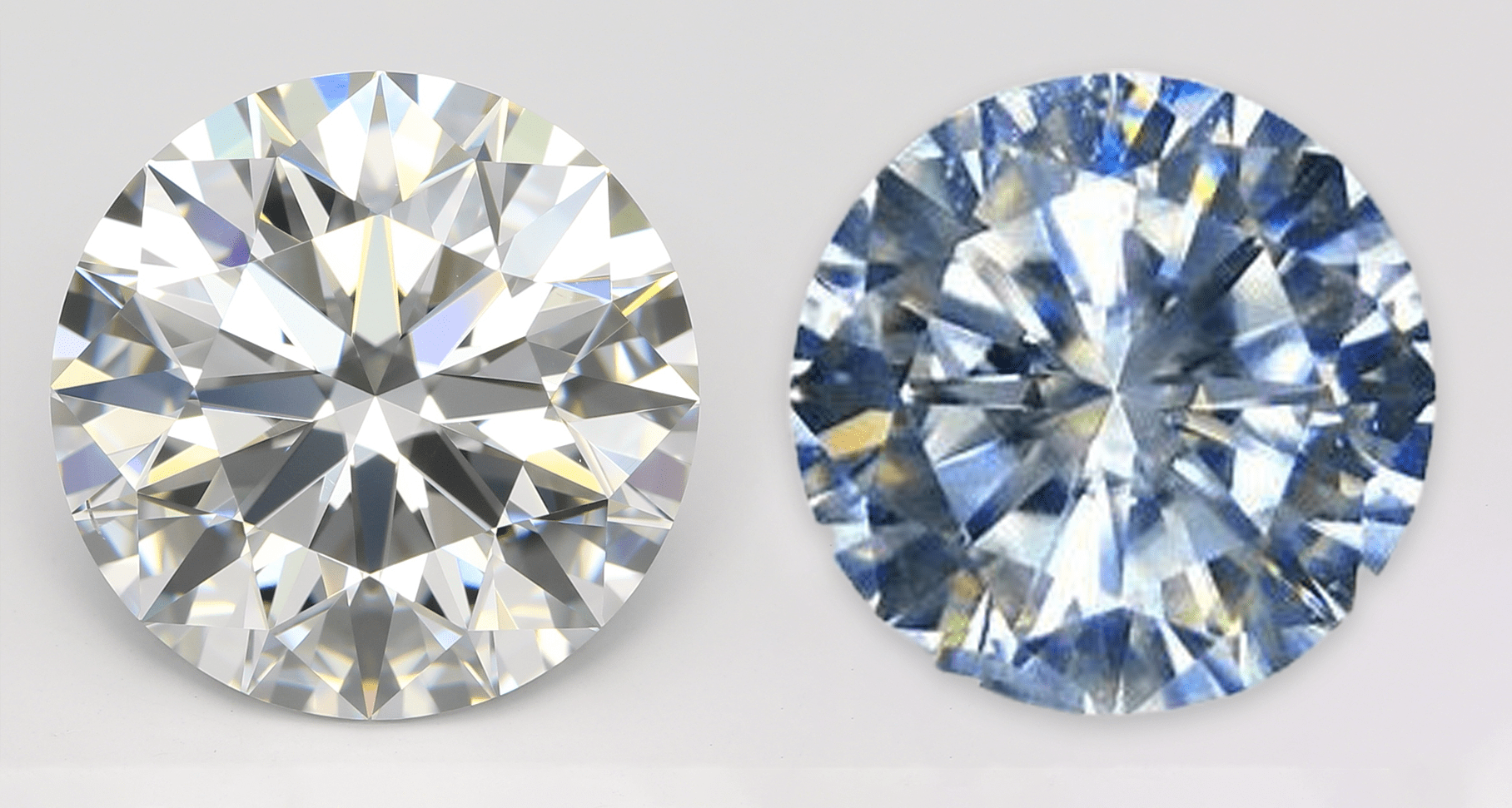
Choosing the perfect gemstone for jewelry can be challenging, especially with so many options available today. Two of the most popular choices for engagement rings and fine jewelry are moissanite and diamonds. As the market evolves, lab grown diamonds have emerged as a compelling alternative, further complicating the decision between moissanite and natural stones. This article explores the moissanite vs diamond debate, with a special look at how lab grown diamonds fit into the picture.
What Is Moissanite?
Moissanite is a gemstone that was first discovered in a meteor crater and is prized for its brilliance and affordability. Unlike diamonds, moissanite is a silicon carbide crystal that exhibits a fiery sparkle and high durability. Although naturally occurring moissanite is incredibly rare, the gem industry produces synthetic moissanite in labs to meet demand. This gemstone is often chosen as a budget-friendly and visually striking alternative to diamonds. However, when comparing moissanite vs diamond, several key differences stand out.
The Traditional Diamond: Natural and Lab Grown
Diamonds have long been synonymous with luxury, love, and commitment. Traditionally, diamonds were mined from deep within the earth, but the advent of lab grown diamonds has changed the landscape dramatically. These stones are created in controlled environments and have the same physical, chemical, and optical properties as natural diamonds. The rise of lab grown diamonds offers consumers a sustainable, conflict-free, and often more affordable option without sacrificing quality or brilliance.
Comparing Brilliance and Appearance
One of the most important factors in the moissanite vs diamond comparison is how each stone sparkles. Diamonds reflect light in a way that creates a subtle, classic sparkle often described as “fire and brilliance.” Moissanite, on the other hand, tends to produce a more intense, rainbow-like sparkle due to its higher refractive index. While some prefer this fiery display, others seek the timeless look of a diamond’s more understated shimmer.
With lab grown diamonds, you get the same sparkle and optical properties as natural diamonds, making them indistinguishable even under a jeweler’s loupe. This means that when choosing between moissanite and diamonds, lab grown diamonds offer the traditional diamond sparkle but with added benefits like ethical sourcing and price advantages.
Durability and Wearability
When comparing moissanite vs diamond, durability is another critical consideration. Diamonds are the hardest known natural material, scoring a perfect 10 on the Mohs hardness scale, making them incredibly resistant to scratches and daily wear. Moissanite ranks slightly lower, around 9.25, which still makes it very durable but a bit more prone to surface scratches over time.
Lab grown diamonds share the same hardness and durability as mined diamonds. This means that a lab grown diamond engagement ring or wedding band will endure everyday wear just as well as a natural diamond, giving you peace of mind for lifelong wear.
Price and Value
Price plays a significant role in deciding between moissanite and diamonds. Generally, moissanite is much more affordable than natural diamonds, making it a popular choice for budget-conscious buyers. However, with the growth of lab grown diamonds, the price gap between diamonds and moissanite has narrowed considerably. Because lab grown diamonds cost less to produce and avoid many of the traditional diamond industry markups, they provide a middle ground for buyers seeking authentic diamond quality at a more accessible price point.
Though moissanite is cheaper, many buyers prefer investing in a lab grown diamond because of its resale value and timeless appeal as a genuine diamond.
Ethical and Environmental Considerations
The moissanite vs diamond debate also has an ethical dimension. Mining diamonds has historically been linked to environmental damage and conflict zones. On the other hand, lab grown diamonds offer a transparent and eco-friendly alternative, grown with minimal environmental impact and no involvement in conflict. Moissanite, being lab-created as well, shares these ethical advantages.
For buyers who prioritize sustainability, choosing either moissanite or lab grown diamonds ensures a responsible purchase. However, lab grown diamonds carry the prestige and authenticity of a real diamond, which can be important for sentimental and symbolic reasons.
Conclusion: Choosing What’s Right for You
Ultimately, deciding between moissanite vs diamond depends on personal preference, budget, and values. Moissanite offers a dazzling, budget-friendly alternative with impressive durability and a unique sparkle. Meanwhile, lab grown diamonds provide all the qualities of natural diamonds—brilliance, hardness, and tradition—while aligning with modern ethical and environmental standards.
Whether you prioritize sparkle, durability, price, or sustainability, understanding the differences between moissanite, natural diamonds, and lab grown diamonds will help you make an informed choice that suits your lifestyle and vision.